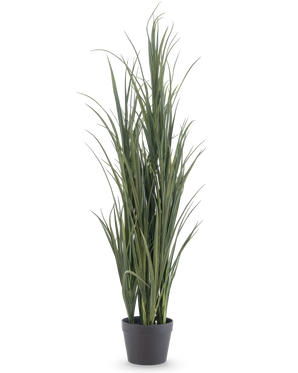
Finishing the top of the pot: bark, hydro granules or stones

In short
- For the top layer only, allow about 20 per cent of the pot volume.
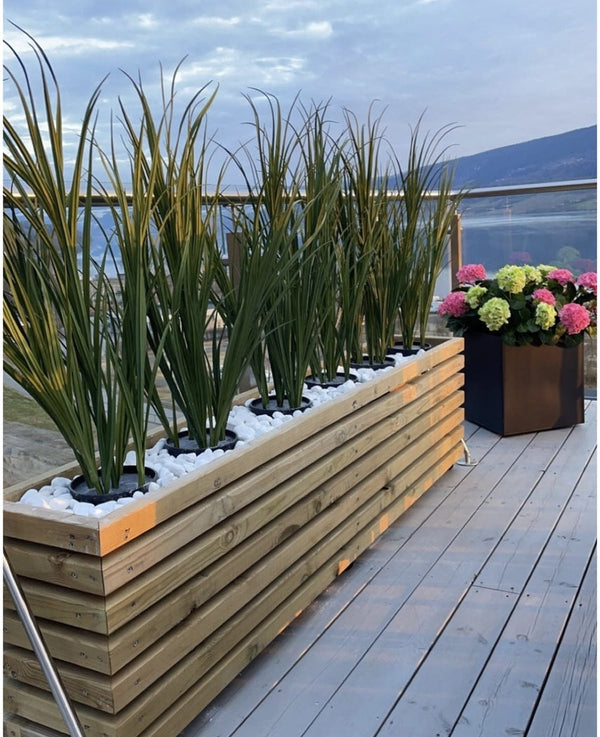
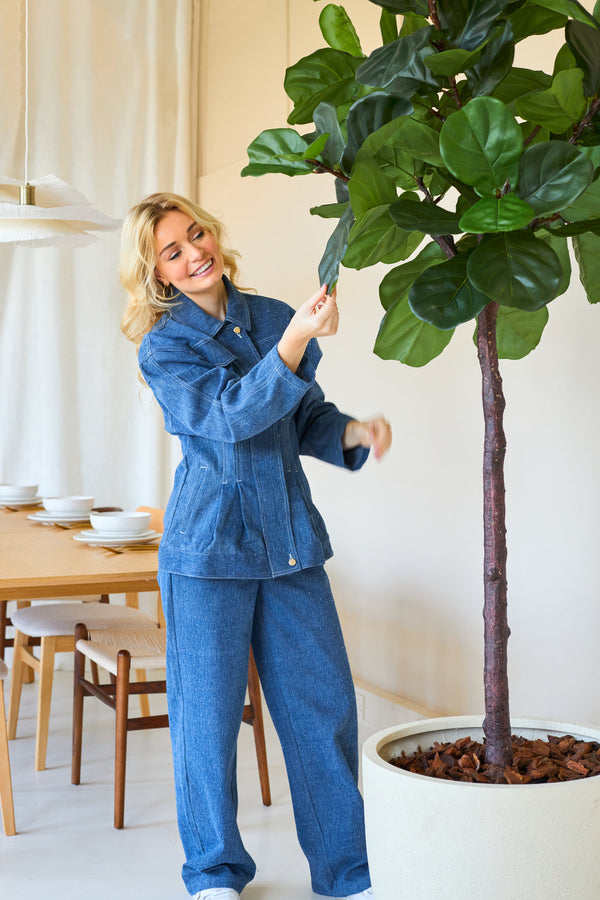
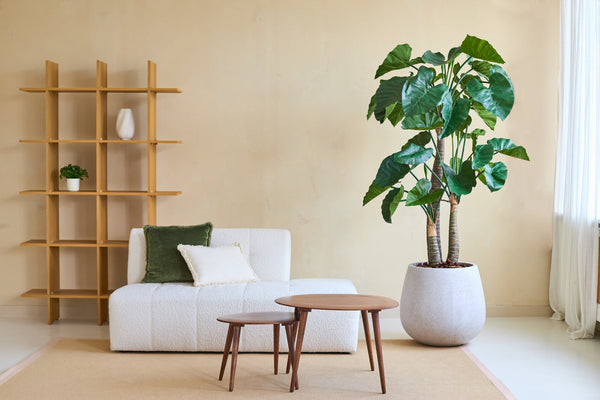
- Bark suits a warm, rustic look, hydro granules a modern look, volcanic stones a natural, rugged look.
- Always round up: better a bag too many than too few.
The last step makes all the difference: a neatly finished top makes your artificial plant look even more real and hides the concrete base and filling.
How much do you need?
Work out the pot volume: 3.14 x (diameter / 2)² x height / 1000 = litres (measurements in cm). For the top layer you need about 20 per cent of that.
| Pot (diameter x height) | Volume | Top layer (20%) |
|---|---|---|
| 20 x 20 cm | about 6 litres | about 2 litres |
| 30 x 30 cm | about 21 litres | about 5 litres |
| 40 x 40 cm | about 50 litres | about 10 litres |
| 50 x 50 cm | about 98 litres | about 20 litres |
Want to fill the whole pot around the base? Allow about 70 per cent of the volume. Read how to pot and weigh down an artificial plant.
Which material?
- Bark: genuine decorative bark from the maritime pine (Pinus maritima). Warm and natural, lovely with an artificial olive tree. See our bark.
- Hydro granules: round clay balls, clean and modern. See our hydro granules.
- Volcanic stones: volcanic rock from Germany with greenish zeolite. Natural and rugged.
How to apply it
- Fix the plant firmly in the pot first.
- Lay a piece of cardboard over the concrete base so nothing falls in between.
- Spread the material evenly to about 2 cm below the rim.
Outdoors, stones and hydro granules work best: bark can discolour in heavy rain. New plant? Read how to unfold it first. Browse our artificial plants too.